Why Urban Gardens Thrive in Memphis: A Closer Look at Urban Gardens Memphis
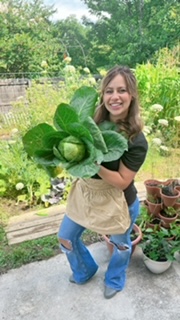
Urban gardens have become a vibrant part of Memphis’s landscape, transforming neighborhoods and nourishing communities. I’ve seen firsthand how these green spaces do more than just grow food—they grow hope, connection, and resilience. If you’re curious about why urban gardens thrive in Memphis, you’re in the right place. Let’s explore the unique factors that make this city a fertile ground for urban agriculture and how these gardens are changing lives.
The Unique Climate and Soil of Urban Gardens Memphis
One of the biggest reasons urban gardens flourish in Memphis is the city’s climate. Memphis enjoys a humid subtropical climate, which means long growing seasons and plenty of sunshine. This gives gardeners a generous window to plant, nurture, and harvest a wide variety of fruits, vegetables, and herbs.
The soil in many parts of Memphis is also surprisingly fertile. While urban soil can sometimes be a challenge due to contamination or compaction, many community gardens have found ways to improve soil health through composting and raised beds. These methods help create nutrient-rich environments perfect for growing fresh produce.
For example, I’ve seen community members turn vacant lots into thriving gardens by adding organic matter and carefully selecting crops suited to the local conditions. This hands-on approach not only improves the soil but also teaches valuable skills about sustainable gardening.

Community Spirit and Support Networks Fuel Growth
What really sets Memphis apart is the strong sense of community that supports urban gardening efforts. Neighborhoods come together to share resources, knowledge, and labor. This collective spirit is essential, especially in low-income areas where access to fresh food can be limited.
Organizations like The Wild Bloom Garden work tirelessly to empower residents by providing education, seeds, and tools. They help people understand how to grow their own food from seed to plate, which is a game-changer for food security. When you have a garden in your neighborhood, it becomes a hub for learning and sharing.
I remember visiting a garden where neighbors gathered weekly to tend to their plots, exchange tips, and celebrate harvests. This kind of collaboration builds trust and resilience, making the gardens more than just places to grow food—they become places to grow community.
How Urban Gardens Memphis Enhance Food Access and Nutrition
Access to fresh, nutritious food is a challenge in many urban areas, and Memphis is no exception. Urban gardens help bridge this gap by providing affordable, locally grown produce right where people live. This is especially important for families who might otherwise rely on processed or fast foods.
Community Supported Agriculture (CSA) programs linked to urban gardens offer another layer of support. These programs allow residents to subscribe to weekly shares of fresh produce, ensuring a steady supply of healthy food. It’s a win-win: gardeners have a reliable market, and families get fresh food at a reasonable price.
I’ve seen how these programs encourage people to try new vegetables and cooking methods, which can lead to healthier eating habits overall. Plus, growing your own food or knowing where it comes from creates a deeper appreciation for what’s on your plate.
Practical Tips for Starting Your Own Urban Garden in Memphis
If you’re inspired to start your own urban garden, here are some practical steps to get you going:
Choose the Right Spot - Look for a location with at least 6 hours of sunlight daily. This could be a backyard, a community lot, or even containers on a balcony.
Test and Improve Your Soil - Get a soil test kit to check for nutrients and contaminants. Use compost and organic matter to enrich the soil.
Select Suitable Plants - Start with easy-to-grow vegetables like tomatoes, peppers, lettuce, and herbs. These thrive well in Memphis’s climate.
Use Raised Beds or Containers - These help control soil quality and drainage, especially in urban areas.
Connect with Local Groups - Join community garden networks or programs to get support and resources.
Plan for Watering - Set up a simple irrigation system or water regularly by hand, especially during dry spells.
Practice Crop Rotation and Companion Planting - These techniques keep your garden healthy and productive.
Starting small and learning as you go is key. Urban gardening is a journey, and every seed planted is a step toward a healthier, more connected community.
The Lasting Impact of Urban Gardens on Memphis Neighborhoods
Urban gardens do more than provide food—they transform neighborhoods. They create green spaces that improve air quality, reduce heat, and offer peaceful retreats in busy city environments. These gardens also foster pride and ownership among residents, which can lead to safer, more vibrant communities.
I’ve witnessed how children learn about nature and nutrition through garden programs, sparking curiosity and healthy habits early on. Adults gain skills that can lead to job opportunities in urban farming or related fields. The ripple effects are powerful and far-reaching.
By supporting urban gardens, Memphis is investing in its future—building resilient neighborhoods where everyone has access to fresh food and the chance to thrive.
Urban gardens in Memphis are more than just patches of green—they are beacons of hope and hubs of community strength. Whether you’re a seasoned gardener or just starting out, there’s a place for you in this growing movement. Together, we can cultivate a healthier, more equitable Memphis, one garden at a time.
Until Next Time!
Serena

Comments