Discover the Community Gardening Benefits: Growing Together in Urban Spaces
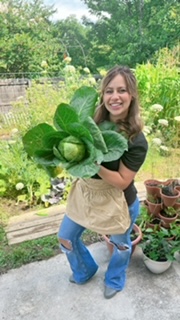
Community gardening is more than just planting seeds in the soil. It’s about sowing connections, nurturing health, and cultivating hope in neighborhoods that need it most. When I first got involved with a local garden project, I quickly realized how powerful these green spaces can be. They bring people together, provide fresh food, and transform urban areas into vibrant, thriving communities. If you’re curious about how community gardening can make a difference, especially in places like Memphis, TN, let me share some insights and practical tips that might inspire you to get involved or start your own garden.
Why Community Gardening Benefits Everyone
Community gardens offer a unique blend of social, environmental, and economic benefits. They are especially valuable in low-income neighborhoods where access to fresh produce can be limited. Here’s why these gardens matter:
Access to Fresh, Nutritious Food: Growing your own vegetables and fruits means you get fresh, chemical-free produce right at your doorstep. This is a game-changer for families who struggle to afford healthy food options.
Building Stronger Neighborhoods: Gardens create a shared space where neighbors meet, share stories, and work side by side. This builds trust and a sense of belonging.
Environmental Impact: Urban gardens help reduce the heat island effect, improve air quality, and support local pollinators like bees and butterflies.
Educational Opportunities: They serve as outdoor classrooms where children and adults learn about biology, nutrition, and sustainability.
Economic Savings: Growing your own food can reduce grocery bills and even create opportunities for small-scale selling or bartering within the community.
Imagine walking through a garden bursting with tomatoes, peppers, and herbs, knowing that this bounty was grown by your neighbors and you. It’s a beautiful cycle of giving and receiving that strengthens the entire community.

How Community Gardening Benefits Health and Well-being
One of the most immediate benefits I noticed was the positive impact on health. Gardening is a gentle form of exercise that gets you moving, bending, and stretching. It’s also a stress-reliever, offering a peaceful break from daily worries.
Physical Health: Regular gardening can improve cardiovascular health, increase strength, and boost flexibility. Plus, eating fresh produce supports a balanced diet.
Mental Health: Spending time outdoors and connecting with nature reduces anxiety and depression. The act of nurturing plants also fosters a sense of accomplishment and purpose.
Social Health: Working alongside others combats loneliness and builds friendships. Sharing gardening tips or swapping seeds creates a supportive network.
For example, in many urban farming projects, including those like the garden memphis, participants report feeling more energized and connected after just a few weeks of involvement. It’s a reminder that health is holistic and community gardens nourish both body and soul.
Practical Tips to Start or Join a Community Garden
If you’re inspired to get your hands dirty, here are some steps to help you start or join a community garden in your area:
Find a Space: Look for vacant lots, schoolyards, or church grounds that could be transformed into a garden. Reach out to local organizations or city officials for permission.
Gather a Group: Community gardens thrive on collaboration. Invite neighbors, friends, or local groups to join. The more hands, the lighter the work.
Plan Together: Decide what to grow based on your community’s preferences and climate. Consider vegetables, herbs, and flowers that thrive in Memphis’s warm weather.
Secure Resources: Seek donations of soil, seeds, tools, and water access. Local businesses or nonprofits might be willing to help.
Set Rules and Roles: Establish guidelines for garden maintenance, harvesting, and sharing the produce. Assign roles like watering, weeding, and composting.
Educate and Celebrate: Host workshops on gardening techniques, nutrition, and cooking. Celebrate milestones with potlucks or harvest festivals.
Starting small is perfectly fine. Even a few raised beds or container gardens can make a big difference. Remember, the goal is to create a welcoming space where everyone feels empowered to contribute and learn.

The Role of Community Gardens in Urban Agriculture and Food Justice
Community gardens are a vital part of urban agriculture, especially in cities like Memphis where food deserts are common. They help address food justice by ensuring that everyone has access to healthy, affordable food.
Empowering Low-Income Communities: Gardens provide a direct source of fresh produce, reducing reliance on expensive or unhealthy options.
Supporting CSA Programs: Community Supported Agriculture (CSA) programs often partner with urban gardens to distribute fresh food to members, creating a sustainable food system.
Promoting Sustainability: Growing food locally reduces transportation emissions and waste, contributing to a healthier planet.
Fostering Resilience: Gardens build community resilience by teaching skills that can be used in times of crisis or economic hardship.
The Wild Bloom Garden is a great example of how urban agriculture can empower neighborhoods. By focusing on equitable seed-to-plate food access, they help transform vacant lots into productive, beautiful spaces that nourish both people and the city.
Growing Together: How Community Gardens Strengthen Neighborhoods
Beyond the tangible benefits of food and health, community gardens are powerful tools for social change. They create safe, inclusive spaces where people from diverse backgrounds come together with a shared purpose.
Building Trust and Cooperation: Working side by side breaks down barriers and fosters mutual respect.
Creating Youth Opportunities: Gardens offer young people a chance to learn responsibility, leadership, and environmental stewardship.
Enhancing Neighborhood Pride: A well-maintained garden can inspire residents to take pride in their community and reduce crime.
Encouraging Cultural Exchange: Gardens often reflect the cultural heritage of their members through the crops they grow and the celebrations they hold.
When I visited a community garden in Memphis, I saw firsthand how neighbors who barely knew each other became friends through their shared love of gardening. It’s a reminder that growing food is also about growing community.
Community gardening is a simple yet powerful way to improve lives and neighborhoods. Whether you’re planting a single tomato plant or joining a larger urban farm, every seed you sow helps build a healthier, more connected community. If you want to learn more or get involved, consider reaching out and see how you can be part of this green revolution.
Let’s dig in, grow together, and watch our communities bloom!
Until Next Time!
Serena

Comments