Treating and Building Healthy Soil
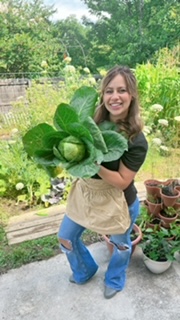
Growing in the same spot for multiple years and slowly building healthy soil is such a proud accomplishment. I now have 9 years of growing experience, and I’m still learning something new every season. But one truth remains consistent: healthy soil means healthy growth.
This year I’m working with a new growing area. I was determined to use the native soil straight from the ground and immediately begin developing permanent in-ground beds. I did bring in some bagged soil for my containers, but my main focus has been establishing those in-ground beds and getting trees planted early.
One of the biggest lessons I’ve learned over the years is the importance of establishing perennials and anything that takes more than one season to produce a harvest — whether that’s flowers, vegetables, or trees. Trees especially require patience. On average, they take at least 3–5 years from a sapling or cutting to begin producing, though many variables can affect that timeline.
Right now, I should have beautiful, huge, bright early greens ready for harvesting full heads by the end of this month (had I started them in early February). Instead, I’m looking at stunted growth and bug-ridden vegetables. Even so, I’ve kept them in the ground. I continue starting seeds in the grow room, and because I’m blessed with a long growing season, I’m still seeding and steadily working on my soil.
My approach is simple but consistent:
I tend to the weeds regularly using just manual labor. I break the garden into blocks and work through one section at a time throughout the week. This keeps me organized and prevents me from feeling scattered.
I document and monitor pests. So far, squirrels have been the biggest surprise and challenge — a new territory for me. I’ve already bought large bird netting for my fruiting vegetables. I’ve also seen turtles and ducks making themselves at home, so I plan to plant extra greens for them. I’m hoping the ducks, in particular, will help with the slugs.

I’ve found aphids, slugs, ants, and cabbage worms as well. Instead of panicking, I let the trap crops do their job while I keep working. Trap crops remain one of the most effective natural pest control methods I’ve used.
For feeding the soil, I’ve been using fish fertilizer on my plants and young trees once a month. I’m also getting ready to sift and spread the worm castings and compost I started last fall. It’s looking rich and ready.
My goals for the rest of the season:
Keep interplanting to replace what I’ve lost.
Maintain pest control through trap crops.
Keep weed pressure down.
Continue planting soil-building plants like beans, peas, and sunflowers.

I know sunflowers are controversial in some gardening circles, but I’ve grown them next to my tomatoes every year with great success. I’ve done side-by-side experiments, and they work beautifully in my garden. Beans are another favorite — I sneak them in wherever I can. They add nitrogen to the soil as their roots break down. Sunflowers are also excellent at removing toxins from tired soil. If a bed isn’t performing well, planting sunflowers has often helped revive it.
In all of this, I’m analyzing, healing, and feeding the soil. This year’s production will likely be minimal, but I’m setting everything up for strong harvests this fall and especially in the 2027 spring season.
Farming and gardening are true labors of love. They’re not overnight successes. I used to be an impatient person who thrived on immediate results. This lifestyle has taught me patience, analysis, and resilience — qualities I’ve come to deeply value.
If you’re in the midst of your growing season right now, what are you focusing on this time of year? What are your greatest challenges, and what are you working on?
Until Next Time,
Serena, Wild Bloom Garden!
Check out my shop for ideas on what to do with your harvest check out my recipe book, for those soiled hands try out the soap, and to keep them nice and smooth check out the tallow balm.


Comments