Growing Your Own Eden In Cordova: No-Till, Regenerative Gardening in Small Spaces with In-Ground Rows and Raised Beds
Hey there, fellow green thumbs (or aspiring ones)! If you're like me, staring at a backyard or even a balcony and dreaming of fresh veggies without turning your space into a construction zone, you're in the right place. I'm all about keeping things simple, sustainable, and super rewarding.
Today, we're diving into creating in-ground garden rows and raised beds using no-till, regenerative, and lasagna gardening methods. No fancy equipment, no chemicals—just good old organic practices that build healthy soil and let nature do the heavy lifting. Think of it as layering a delicious garden "lasagna" that feeds your plants and the earth. Let's get our hands dirty!
Why Go No-Till and Regenerative? A Quick Lowdown
Before we jump in, let's chat about the "why." Traditional gardening often involves deep tilling the soil, by tilling upwards of 12inches and more this can disrupt the underground ecosystem—think earthworms, fungi, and microbes that are basically your garden's unpaid interns. No-till means we skip the digging drama, preserving that natural structure and letting those critters thrive. Regenerative gardening takes it up a notch by focusing on rebuilding soil health, boosting biodiversity, and capturing carbon—it's like giving back to the planet while growing your own salad bar.
Then there's lasagna gardening (also called sheet mulching), which is my favorite lazy-genius hack. You layer organic materials right on the ground, and over time, they break down into rich, fertile soil. No weeding wars, no pesticides, fungicides, or herbicides needed because we're building a system where plants outcompete the bad guys naturally. Plus, it's perfect for small spaces since it maximizes every inch without expanding your footprint. Sound good? Let's build!
Starting with In-Ground Garden Rows: Simple and Space-Savvy
In-ground rows are ideal if you have a patch of lawn or bare soil and want to keep things low-key and budget-friendly. No need for boxes or borders—just mark your rows and layer up. Here's how to do it regeneratively:
Pick Your Spot and Plan Small: For small spaces, aim for rows that are 2-3 feet wide and as long as your area allows (even 4-6 feet works wonders). Space them 18-24 inches apart for easy access—no stepping on the soil, remember? In my urban yard, I squeezed in 3ft x12ft rows and grew enough tomatoes to make neighbors jealous. Use string or a hose to outline them straight or curved for fun.
Lasagna Layering Magic: Start by mowing any grass short (if it's there) and leave the clippings in place—they're your first layer! Cover the area with cardboard or newspaper (wet it down to stay put) to smother weeds organically. No herbicides here; the paper does the job naturally.Next, pile on the "ingredients":
Green layer: Fresh kitchen scraps, grass clippings, or coffee grounds for nitrogen.
Brown layer: Dry leaves, straw, or shredded paper for carbon.
Compost or aged manure for a nutrient boost.
Top with 2-4 inches of mulch like wood chips or straw to lock in moisture.
Aim for 6-12 inches total height—it'll settle as it decomposes. This no-till approach lets worms and microbes turn it into black gold without you breaking a sweat.
Planting and Maintenance: Poke holes through the layers and plant seeds or seedlings directly. For small spaces, go vertical with trellises for beans or cucumbers. Water gently at first, then let rainwater do most of the work. Regeneratively, add companion plants like marigolds to deter pests naturally (they're like bouncers for your bugs). If weeds pop up, mulch more—nature's way of saying "cover me up!”
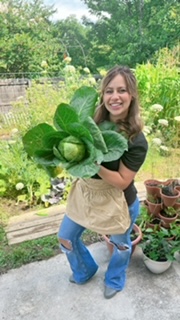
In my first season, I turned a weedy strip into rows of beautiful cabbage. No chemicals, just patience, and now the soil is so fluffy I could nap on it.
Leveling Up with Raised Beds: Contained and Customizable
If your soil is rocky, poor, or you're dealing with a patio, raised beds are your BFF. They're essentially boxes filled with that lasagna goodness, great for small spaces because you can stack 'em or place 'em anywhere sunny. Bonus: They're easier on your back!
Build or Buy Smart: For small areas, go 4x4 feet or smaller—perfect for balconies or corners. Use untreated wood (like cedar), bricks, or even repurposed materials like old pallets. Avoid pressure-treated lumber to keep things organic. Height-wise, 6-12 inches is plenty for most veggies; deeper for roots like potatoes.
Fill with Regenerative Layers: No need to dig up the ground below—just place the bed and lasagna it! Cardboard base, then alternate greens and browns as before, finishing with compost and mulch. This builds soil from scratch, regenerating even concrete-like dirt underneath over time.Pro tip for small spaces: Use the "keyhole" design—a U-shape with a path in the middle for easy reach without compacting soil.
Organic Upkeep: Plant intensively—mix flowers, herbs, and veggies to promote biodiversity (regenerative gold!). Rotate crops each season to prevent nutrient drain. For pests, invite beneficial insects with plants like dill or fennel. If fungi sneak in, improve air circulation and mulch— no fungicides required. Water with collected rainwater to keep it eco-friendly.
**Small Space Super Tips: Maximizing Every Inch Organically
Whether rows or beds, small gardening is about smarts, not size:
Vertical Vibes: Trellises, hanging pots, or wall planters add layers without taking floor space. Climb with peas or squash.
Succession Planting: Sow seeds every few weeks for continuous harvest—keeps soil active and regenerative.
Compost Your Way: Make your own from kitchen waste; it's the heart of organic, no-till gardening.
Biodiversity Boost: Mix in cover crops like clover between seasons to fix nitrogen naturally.
Water Wise: Mulch heavily to retain moisture, and use drip irrigation from recycled bottles.
Wrapping It Up: Your Garden, Your Way
Creating in-ground rows or raised beds with no-till, regenerative, and lasagna methods isn't just gardening—it's nurturing a mini-ecosystem that gives back. You'll save money, reduce waste, and enjoy pesticide-free produce that's tastier than store-bought. Start small, observe what works in your space, and tweak as you go. Before you know it, you'll be that neighbor sharing zucchini with everyone.
Got questions or your own tips? Drop 'em in the comments, how is your garden coming along, have you started seeds? which method are you choosing to grow your garden this year? —let's grow together! Happy gardening, friends. 🌱
Until till next time!
Serena- The Wild Bloom Garden

Comments