Cordova Garden Guide to Starting Seeds Indoors
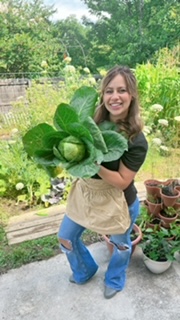
While the holidays have come and the New Year is upon us, thoughts of starting a new garden outdoors can be exciting, many plants benefit from an indoor head start. Not everything needs to be started indoors, and it's perfectly fine if you don't have the setup or time—many gardeners simply wait until spring to buy transplants from big-box stores, local nurseries, or farmers' markets.
Starting seeds indoors is one of the most rewarding ways to begin the gardening season. It gives you a jump on warm-season crops like tomatoes, peppers, and eggplants; provides access to a wider variety of plants than store-bought starts; and saves money. With the right supplies and care, you'll raise strong, healthy seedlings ready to thrive outdoors.

When to Start Seeds Indoors
Timing is everything. Start too early, and seedlings can become leggy, overgrown, and stressed. Start too late, and you miss the head-start benefit.
First, find your local last spring frost date (search online for "first and last frost dates [your city]"). For example, in Memphis, TN, the average last spring frost is around late March to early April, with the first fall frost around early to mid-November. This gives a long growing season for food, flowers, and herbs.
Seed packets typically recommend starting indoors a certain number of weeks before the last frost date. Common guidelines:
Tomatoes and peppers: 6–8 weeks
Broccoli and cabbage: 4–6 weeks
Onions and leeks: 10–12 weeks
Account for germination time (usually 1–2 weeks) by adding that to the timeline. The weeks on the packet generally refer to the time from germination to transplant readiness, so count backward from your planned outdoor transplant date (typically 1–2 weeks after the last frost for warm-season crops).
Not all seeds need an indoor start. Direct-sow root vegetables (carrots, beets) and fast-growing crops (beans, squash) outdoors to avoid transplant shock.
Transplant shock is the stress plants experience when moved to a new environment. It occurs mainly from root disturbance or sudden changes in light, temperature, soil, or humidity. Next week, I'll dive deeper into avoiding transplant shock and properly hardening off plants.
Supplies You'll Need
Sterile, lightweight seed-starting mix
Trays or cells with drainage holes, plus bottom trays for watering
Humidity dome or plastic wrap (to trap moisture during germination; remove after sprouting)
Shelving
Grow lights (essential for strong growth)
Optional: Heat mat for warmth-loving seeds (e.g., peppers, tomatoes)
Starting Seeds
Pre-moisten the seed-starting mix (damp, not soggy).
Fill trays and plant seeds at the depth indicated on the packet (rule of thumb: twice the seed's diameter).
Label everything! Include sow date, plant name, variety, and seed source. Keep a journal for reference.
Cover with a humidity dome or plastic wrap to retain moisture.
Germination and Early Care
Place on a heat mat if needed (most seeds germinate best at 70–80°F soil temperature).
Keep soil moist (bottom-water or mist gently).
Once sprouts emerge, remove the dome/wrap and turn on grow lights.
Ongoing Seedling Care
Lights: Provide 14–16 hours per day, keeping them 2–4 inches above seedlings.
Water: Bottom-water to encourage deep roots; let the top soil dry slightly between waterings.
Air circulation: Use a gentle fan to strengthen stems and prevent mold.
Potting up: Move to larger containers if roots fill the cells.
Hardening Off and Transplanting
About 1–2 weeks before outdoor planting, gradually acclimate seedlings to outside conditions. Start with short periods in shade, increasing time and sun exposure daily. Transplant after the last frost, preferably on a cloudy day.
Dos and Don'ts of Indoor Seed Starting
Dos:
Use sterile seed-starting mix to prevent disease (pre-soak in warm water if desired).
Provide bright light immediately after germination.
Keep soil consistently moist (but not waterlogged).
Run a fan for airflow.
Fertilize lightly once true leaves appear (use a diluted solution). I prefer natural options like fish fertilizer and avoid synthetic chemicals, even those labeled "organic" (as they may still contain permitted synthetic inputs).
Don'ts:
Don't start seeds too early (leads to oversized, weak plants).
Don't rely solely on a window—natural light is usually insufficient; grow lights are needed.
Don't overwater.
Don't skip hardening off (risks sunburn or shock). Stay tuned for next week's post on hardening off and transplanting details.
What Are Leggy Seedlings and How to Prevent/Fix Them?
"Leggy" seedlings have long, thin, weak stems as they stretch toward light. They often flop over, have sparse leaves, and struggle after transplanting.
Main causes: Insufficient light, excessive heat, or overwatering.
Prevention: Use strong grow lights kept close to seedlings and ensure good airflow.
Fixes (if caught early): Move lights closer and increase hours; repot deeper (bury stem up to the first leaves—tomatoes especially benefit from this); brush tops gently or use a fan to strengthen stems.
With these tips, you'll sidestep common mistakes and grow sturdy seedlings ready to flourish in your garden!
Let me know what area you are growing in and what are you starting or looking forward to growing?
This week I am providing some ideas to start you off at home.
Disclosure: This post contains affiliate links, which means I may earn a commission if you make a purchase through them—at no extra cost to you.


Until next week!
Serena
The Wild Bloom Garden | Farm Cafe'

Comments