Fall Gardening in Memphis Is Like Another Season
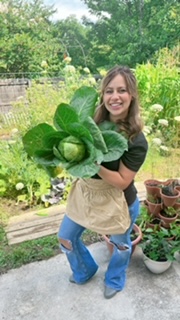
10 tips for moving into the fall garden in Zone 8 and above
People up north start shutting the garden down in September. Down here, we are just getting started again.
Memphis heat finally lets go. Nights drop. The soil is still warm. Pests slow down. And if you time it right, you can eat from the beds straight through Thanksgiving and into winter. On our little urban farm that second season feels like a gift—cooler work, sweeter greens, and one more chance to put food on the table with the kids before the year turns.

Here are the 10 things I actually do when we move from summer into fall in Zone 8a and warmer.
1. Work backward from frost, not forward from the calendar.
Average first frost here is early to mid-November. Count the days to maturity on the packet, add about 10 extra days because fall days are shorter and cooler, then plant. Broccoli, cabbage, and kale want to be in the ground as transplants by early to mid-September. Fast greens and radishes can go later.
2. Clear what is finished. Keep what is still feeding you.
Pull spent tomatoes, squash, and beans that are diseased or done. Leave the okra, peppers, and late tomatoes that are still producing until a real frost takes them. Compost the healthy stuff. Trash anything with blight or bugs so it does not overwinter in the beds.
3. Feed the soil now, the no-till way.
Fall is when we pay the soil back. A couple inches of compost, shredded leaves, and whatever kitchen scraps we have go on top. We do not flip the beds. Worms and roots do the mixing. Memphis silt loam and clay need that organic matter before winter rains pack everything down.
4. Plant the cool-season crops that love this weather.
This is the list that actually works here:
Transplants: broccoli, cabbage, kale, collards, Swiss chard
Direct sow: lettuce, spinach, mustard, turnips, beets, carrots, radishes
Fall collards and kale are sweeter after a light frost. That first bowl of greens after a long hot summer still feels like a small miracle.
5. Give late-summer sowings a little shade and a lot of water.
Seeds started in August and early September still face hot afternoons. A scrap of shade cloth or a board leaned over the row for a few days keeps the soil from baking. Water every day until they sprout. After that, about an inch a week is enough if rain is scarce.
6. Mulch like you mean it.
Once seedlings are up, cover the bare soil. Leaves, straw, or wood chips keep moisture in, weeds down, and roots cooler while the days are still warm. In November that same mulch becomes a blanket.
7. Plant garlic and a cover crop before the ground cools too much.
Garlic cloves can go in from October into early November in Zone 8a. Cover crops—crimson clover, winter rye, or a simple mix—protect empty beds, feed the soil, and give us something living to look at all winter. Both are quiet work that pays you next spring.
8. This is the best time to plant trees, shrubs, perennials, and spring bulbs.
Roots establish in warm soil while the top of the plant rests. Figs, fruit trees, berries, and ornamentals go in now. Daffodils, alliums, and other spring bulbs too. Water them in well and mulch. You will thank yourself in March.
9. Stretch the season with row cover.
A simple low tunnel or floating row cover turns a light frost into another two or three weeks of harvest. Lettuce, spinach, and kale will keep going. On a small urban lot that extra harvest is the difference between “we had a fall garden” and “we are still eating from it.”
10. Write it down and let the kids help.
What bolted. What the squash bugs found. Which variety of kale the family actually ate. Notes now save you next August. And this is the season the little ones can stay outside longer without melting. Let them sow the radishes. Let them cover the garlic. The garden is teaching patience either way.
Fall here is not the end of the year. It is another beginning—cooler, quieter, and full of food if we show up for it. That feels like abundance to me. Same soil, same family, one more season to be faithful with what we have been given.
If you are planting this week, start with kale, lettuce, and a bag of compost. The rest will follow.
From the beds at Wild Bloom — Seed to Plate, one season at a time.
Serena


Comments