Poverty Simulations or Personal Power? Time to Choose Health for All
Updated: Apr 28
The Real Divide Isn't Class—It's Choosing Health Over Convenience
Understanding the Health Divide
Nutrition and sustenance shouldn't be available only to the upper class. In the United States, recent data shows that about 40% of adults have obesity (BMI ≥ 30), with overall overweight and obesity rates affecting around 70–75% of adults. This impacts well over 100 million people nationwide. In Memphis and Shelby County, the challenges are even more pronounced: roughly 19–21% of residents face food insecurity, limiting access to nutritious food and contributing to nutrient deficiencies. In recent years, this has affected tens of thousands of children and adults, driven by factors like food deserts and income inequality.
The Widespread Nature of Obesity
Yet the problem isn't confined to lower-income communities. Studies show that obesity rates can be similar—or in some cases higher—across income levels, particularly when looking at overall overweight classifications. For example, higher-income groups often have obesity prevalence ranging from 30% or more in certain demographics. This proves that access to healthy options doesn't always translate to healthier choices.
Americans across social classes struggle with obesity, often due to habits like frequent eating out, convenience over nutrition, and lack of time or knowledge for preparing nutrient-dense meals. I've known people with ample access to healthy food who still choose fast food or dining out several times a week because it's easier.
The Real Barriers to Healthy Choices
Obesity and poor health aren't limited to food deserts—they affect everyone. However, those in food-insecure areas face far greater barriers. Pretending to experience poverty for a day or "teaching" about food insecurity can feel disconnected or even mocking when real, daily choices are what matter most.
It's time to stop drawing strict lines between "those who can" and "those who cannot." Evidence shows that higher social class doesn't guarantee better health or greater knowledge about positive changes. Everyone—regardless of economic status—can take charge of their life and health by choosing life over convenience.
A Call to Action
Let's invite everyone to care enough to change our habits and invest in ourselves to become the healthiest individuals possible. Let's grow food together, learn together, and gather in one space to share the cultural aspects of how and why we eat the way we do.
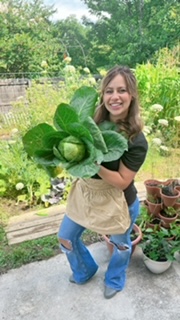
This year, I'm excited to offer the Wild Bloom Harvest Box! For a small price, you can enjoy weekly fresh selections straight from the land, including produce, herbs, a baked good, and a free recipe tailored to that week's harvest—showing you exactly how to use and enjoy the items provided.
The Importance of Community
Building a strong community around food is essential. When we come together, we can share resources, knowledge, and support. Urban farming initiatives can thrive in Memphis, creating a network of individuals who are passionate about health and nutrition.
By working together, we can create a sustainable food system that benefits everyone. Community Supported Agriculture (CSA) programs are a fantastic way to connect with local farmers and ensure that fresh produce is accessible to all.
Embracing Healthy Choices
Choosing yourself and your health through food is just the start. If you're in the Memphis, TN area, I hope you'll give me the opportunity to show up at your table with our Wild Bloom Harvest Baskets! Together, we can cultivate a healthier future for our community.
Until Next Time!
-Serena

Comments