Cordova Garden Series Pt 3: How I am Turning Kitchen Scraps into Free fertilizer This Winter
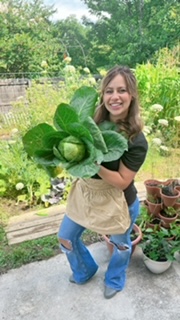
Hey friends! Welcome back to the Cordova Garden Series – where we’re building my new garden from the ground up, one budget-friendly step at a time.
In Part 1 we layer out some goals and info on what it will incorporate, Part 2 I provided some fun facts and insight to where I am, and here in Part 3 lets cover some prep work we can get started in the slow of the garden season before we kick off strong into building and creating our actual garden layout and growing space.
Today, while the ground is tucked in for winter, I’m setting up something that’s going to pay off huge next spring: my first worm compost bin. This is hands-down one of the easiest, cheapest, and most satisfying projects you can do for any garden — and it’s perfect for fall when you suddenly have extra time on your hands.
Let’s build it together, step-by-step.

Setting up the worm compost bin, its not pretty but it’ll be black gold later
Setting Up My Worm Compost Bin This Fall (So My Spring Garden Gets a Head Start!)
I’m already thinking ahead to spring planting in my new Cordova garden, and one of the easiest, cheapest things I’m adding this year is a worm compost bin. Anyone can do this — it costs almost nothing and turns kitchen scraps into black-gold fertilizer.
Step 1: Collect Kitchen Scraps
Over a weekend, I fill a large bowl with fruit and veggie scraps plus coffee grounds. With a big family, it adds up fast! Apple cores, banana peels, potato peelings, the bottoms of celery or lettuce, coffee grounds — anything plant-based works.
I cook from scratch and drink coffee every day, so collecting a bowlful is effortless. I keep the bowl in the fridge; it never smells or attracts pests (the coffee grounds seem to mask any odor).
Step 2: Prep the Bedding
I use coco coir as the main bedding — I buy it in bulk for gardening, but even one of those compressed pellet boxes goes a long way. I toss a handful of pellets into a big bowl with water, and in minutes they expand into fluffy, perfect worm bedding.
Step 3: Order Worms & Add “Browns”
I order red wigglers, my worms.. to start (usually 25 worms the bin is small). Then I mix in plenty of “browns” for carbon: dry leaves from the yard and shredded cardboard (with all tape removed, of course).
Step 4: Build the Bin Lasagna-Style
I use a simple two-tray worm bin (you can buy one or DIY). I start in the bottom tray and layer everything like lasagna:
A thick layer of moist coco coir
Kitchen scraps and coffee grounds
A handful of worms
Dry leaves and shredded cardboard on top
Step 5: Keep Them Cozy
Since nights here are already dipping below 30 °F, I’m keeping the bin in my warm grow room so the worms stay active and happy.
Why Bother With Worm Compost?
Because it’s practically free fertilizer! The worms eat the kitchen scraps, coffee grounds, and cardboard, then poop out nutrient-packed worm castings (vermicompost). It’s loaded with the exact microbes and nutrients plants love — way better than anything in a bag.
The coolest part? The worms reproduce like crazy. Once they’ve eaten most of the food in the bottom tray, they migrate upward into the next tray chasing fresh scraps. That’s my cue to add another layer of goodies. It becomes a continuous, almost effortless cycle.
The Real Cost?
A basic worm bin (or make your own from totes): $30–$80
¼–½ lb of worms: ~$20–$30
Coco coir, cardboard, leaves, kitchen scraps: basically free
That’s it. A one-time setup of under $100 (or way less if you DIY) gives you an endless supply of the best organic fertilizer you’ll ever use — made from stuff you were throwing away anyway.
Spring me is going to be so thankful for fall me. 😄
Happy worm farming! 🪱
Keep following along The Cordova Garden Series! Until Next Time
Serena | The Wild Bloom Garden and Farm Cafe’

Comments